Era Pickleball Court Rental: Team Practice Ready
The first time our junior team rolled into Era Pickleball with their bags full of mismatched grips and water bottles rattling like maracas, it felt less like a practice and more like a convergence of potential. The court lights hummed softly, the floor shone with a lacquered sheen, and the air carried that crisp, anticipatory vibe you get right before a big match. Era Pickleball isn’t just a place to play. It’s a facility designed for teams that want structure, rhythm, and measurable progress in their off-season or in-season routines.
If you’re part of a school squad, a club program, or a community team seeking a reliable practice home, the Era Pickleball court rental option stands out for its balance of professional polish and flexible access. The team behind the scenes has built a system that respects practice time, respects coaching plans, and understands that practice quality translates into wins on the court. Here’s what makes it work, the realities you’ll encounter, and how to prepare your squad to get the most from a rental that feels like a dedicated home court.
A little context helps. Era Pickleball operates with a focus on accessibility without compromising the discipline of a true pickleball training environment. The staff understands that teams often arrive with different goals: some want to work on shot variety, others on transition play, and a few on conditioning circuits that keep legs honest through long matches. The rental program is designed with that range of needs in mind. It’s not a one-size-fits-all schedule, but rather a framework you can tailor to your team’s life cycle—preseason ramping up to midseason consolidation, and then into postseason preparation.
The difference begins in how the space is treated. A rental court at Era Pickleball isn’t a drop-in play zone. It’s a controlled environment with clean lines, supportive nets, and a floor that rewards quick feet and precise footwork. The attention paid to the court surface matters for a team pushing hard on drills that demand quick starts, soft landings, and relentless lateral movement. It matters because a court that plays fast and true saves you practice time and reduces the risk of sloppy habits that creep in when you’re chasing balls off a sticky, inconsistent surface. The rental agreement makes room for a coaching presence, an essential edge when you’re trying to embed new patterns into players’ muscle memory.
What follows are practical observations drawn from seasons of coordinating team blocks, drills, and match simulations on Era Pickleball courts. It’s about the daily cadence—how teams enter, how the session unfolds, and how to maximize the time you’ve booked.
The cadence begins the moment you arrive. A typical team block starts with a quick warm-up routine that integrates dynamic movement with short rally challenges. The goal is to elevate heart rate, mobilize joints, and prime hands for anticipatory play. In a few minutes you’ll have players scattered across the court, working on drop shots, third-shot drives, and the all-important transition to the non-volley zone. Coaches frequently bring in a few props—cones for footwork ladders, a handful of foam balls for controlled feed drills, and sometimes a portable scoreboard to track performance in short sequences. The sense of purpose is palpable; players aren’t here to “practice,” they’re here to perfect a specific element, and you can feel that intention in their movement.
From the coaching perspective, Era Pickleball court rental is a workspace with clear boundaries and predictable rituals. A typical session runs with a defined block of time and a structured progression that might look like this: warm-up, technical drills focused on a chosen skill, point-play to apply those skills under pressure, and a closing sequence that emphasizes feedback and reflection. The coaching staff tends to emphasize clarity over complexity, especially with younger players or teams new to a structured practice regime. In practice, this means fewer rabbit holes and more targeted repetition designed to build confidence.
If your team is considering Era Pickleball for court rental, you’ll want to align your practice plan with what the facility supports. The courts themselves are designed to handle a high-intensity tempo. You’ll hear the staccato pop of paddles meeting plastic, the steady rhythm of footwork drills, and the occasional shout that signals a player’s commitment to a particular shot or transition. The acoustic environment is practical—loud enough to cue a call from the coach but not so noisy that it distorts communication. Most teams find this balance ideal for maintaining rhythm during drills that demand precise timing and movement.
Equipment is the connective tissue of a successful rental session. Era Pickleball is not a warehouse that rents courts with a handful of paddles and a single ball bag left in a corner. It’s a facility that tends to have a ready count of paddles, an ample supply of balls, and a spare rack of nets you can adjust between court configurations. This matters for teams with large rosters because you don’t want to burn precious practice time by chasing gear or sorting through mismatched paddles. The practical approach is to come with your rostered gear, but also embrace the on-site provisions. It’s the same philosophy you’d apply to a college gym: you bring your program’s rhythm, and the facility provides the equipment, clean lines, and safe environment to execute your plan.
Schedules and booking logistics play a crucial role in how smoothly a rental period runs. Era Pickleball facilities are typically busy during peak hours, especially on weekends and after-school windows. A well-planned booking strategy recognizes this: secure blocks that align with your team’s most productive hours and build in a cushion for late transitions or weather-related adjustments if you’re practicing in multi-use spaces adjacent to outdoor events. It’s common for teams to go with a longer session on one day of the week and a shorter, sharper sprint on another. The goal is to keep the routine sustainable over the course of a season without burning kids out or eroding the team’s focus.
Beyond the core practice, Era Pickleball court rental offers a few practical levers that can influence how your team grows through the season. Some programs opt for recurring time slots, which reduces the friction of “finding a court” week to week and helps coaches implement a progressive plan. Others lean into the flexibility to rearrange a session when a key player is sidelined by illness or a tournament commitment. The most effective teams treat court time as a collaborative asset: the coaching staff shares a clear plan with the facility, and the facility returns a polished space that feels almost like an extension of the team’s own training complex.
If you’re weighing Era Pickleball against other options, a few differentiators often matter when you’re coordinating a team’s practice plan. Accessibility matters, not only in the sense of open hours but also the ease of moving through the booking process and getting in, set up, and out efficiently. The court surface and lighting quality are not afterthoughts; they influence how late you stay and how much you can accomplish in a given block. The on-site staff’s responsiveness is another factor—coaches want to feel supported when a drill requires a quick equipment adjustment or when a new schema needs a quick demonstration on a nearby court. All of these elements accumulate to create an environment where a team can stay focused on the task at hand rather than managing logistics.
In this setting, the dynamics of team practice evolve in nuanced ways. You’ll see players begin to anticipate the ball’s path earlier, thanks to consistent ball bounce and court feedback. You’ll notice coaches able to implement a deeper set of patterns in a single session because the space remains predictable across weeks. The effect in the gym is practical: fewer interruptions, more repetition, and a palpable sense of progress each time you step off the court after a block of drills. Over time, this translates into improved decision making during match play, especially in tight points that hinge on a player’s ability to control pace and angle.
To speak honestly about the trade-offs, a rental is not a perfect substitute for a full-time practice facility with a dedicated coach, a scheduled conditioning room, and a video analysis suite. If your program relies heavily on advanced analytics or needs a steady cadence of strength and conditioning work integrated into practice blocks, you might pair Era Pickleball court rental with another facility or a campus gym. The trade-off is time and logistics: you gain efficiency in practice time and surface quality, but you give up some dedicated program infrastructure that teams with their own campus or club might enjoy. For many programs, the balance still tilts toward rental because it delivers consistent court quality, predictable scheduling, and a professional environment that elevates the seriousness of practice without requiring a long-term lease or a sprawling facility footprint.
The human factor should never be underestimated. The staff at Era Pickleball comes with a genuine interest in supporting teams. They welcome questions about court configuration, lighting prescriptions for different training cues, and even technical questions about paddle choices. If a coach wants to experiment with a new drill that requires a slight tilt on the court, the on-site team can adjust quickly or offer practical alternatives that preserve the drill’s intent. That willingness to adapt matters a lot when you’re trying to tailor a practice to a specific group of players who might be coming from different skill levels and backgrounds.
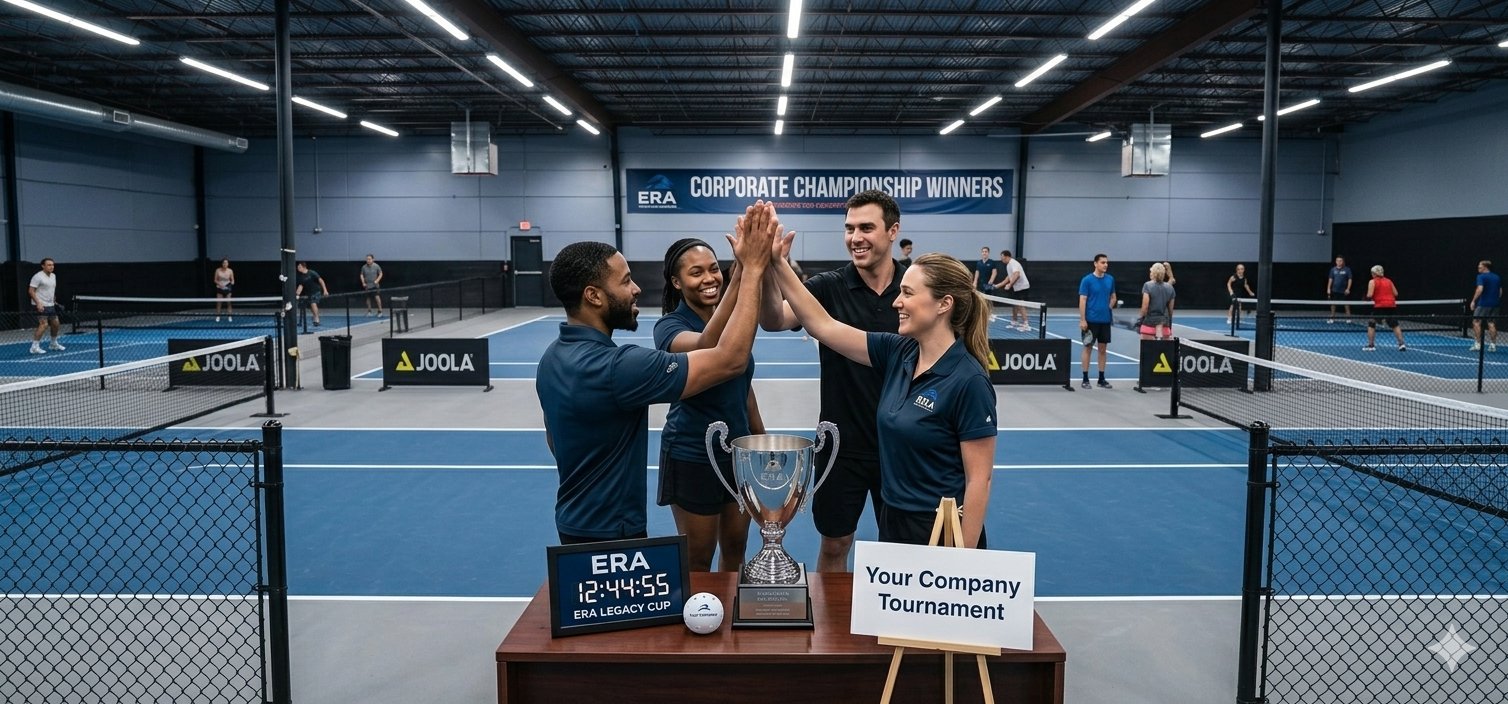
A word about safety is essential, especially for teams that routinely push sprinting and fast exchanges. Proper warm-up and cool-down routines remain the responsibility of the coaching staff, but the rental environment supports safe practice through well-maintained floors, clear sightlines, and properly mounted nets. Coaches are encouraged to supervise, as they would in any high-activity setting, to minimize the risk of collisions and to ensure that players are using equipment correctly. If a player is returning from an injury, the ability to adjust intensity within the same space without moving to a different facility can be a relief for both the athlete and the clinician or trainer working with the team.
As you plan a season around Era Pickleball court rental, you’ll want to map out a few non-negotiables that make the most of the experience. First, define your objectives for each practice block. Are you focusing on the serve return duel, on the transition game, or on building a net-front presence? Having a clear target allows you to script sessions with precision and helps players see tangible progression from one week to the next. Second, align your staffing. A well-structured practice benefits from a lead coach who choreographs the drills and two assistants who can feed balls, track performance, and manage substitutions. Third, set up a feedback mechanism. Short debriefs at the end of each block can dramatically increase retention of new techniques and help players connect drills to in-game decisions. And finally, keep a flexible element in your plan. Even with a fixed weekly slot, the ability to pivot within a session to address a sudden tactical realization can elevate the team’s readiness.
For teams that have more than a passing interest in court rental as part of their strategy, Era Pickleball can serve as a steady anchor. It becomes a neutral, well-maintained space that doesn’t require constant travel or the logistical gymnastics of arranging access to multiple local facilities. The clinical side of this arrangement is that players develop a consistent routine with predictable feedback loops. The human side is that coaches gain a reliable canvas for teaching and experimentation, with a staff that understands the pace and nuance of a team’s development arc.
A practical note on partnerships and long-range planning helps many programs see the value more clearly. If you are a recurring renter, a conversation about a season-long plan with a defined set of practice blocks can yield better scheduling certainty and potential cost savings. This isn’t a guarantee in every market, but in areas where Era Pickleball operates multiple courts and maintains tight scheduling discipline, a predictable block of time often translates into improved court availability and less friction in the weekly calendar. Teams appreciate the probability of a stable home base for workouts, scrimmages, and occasional intra-squad tournaments that make use of the center’s lighting and court equality.
What follows are two concise aids designed to help coaches and team managers refine how they approach Era Pickleball court rental. They aren’t exhaustive, but they crystallize practical considerations that emerge from real-world use.
What teams look for in a rental arrangement
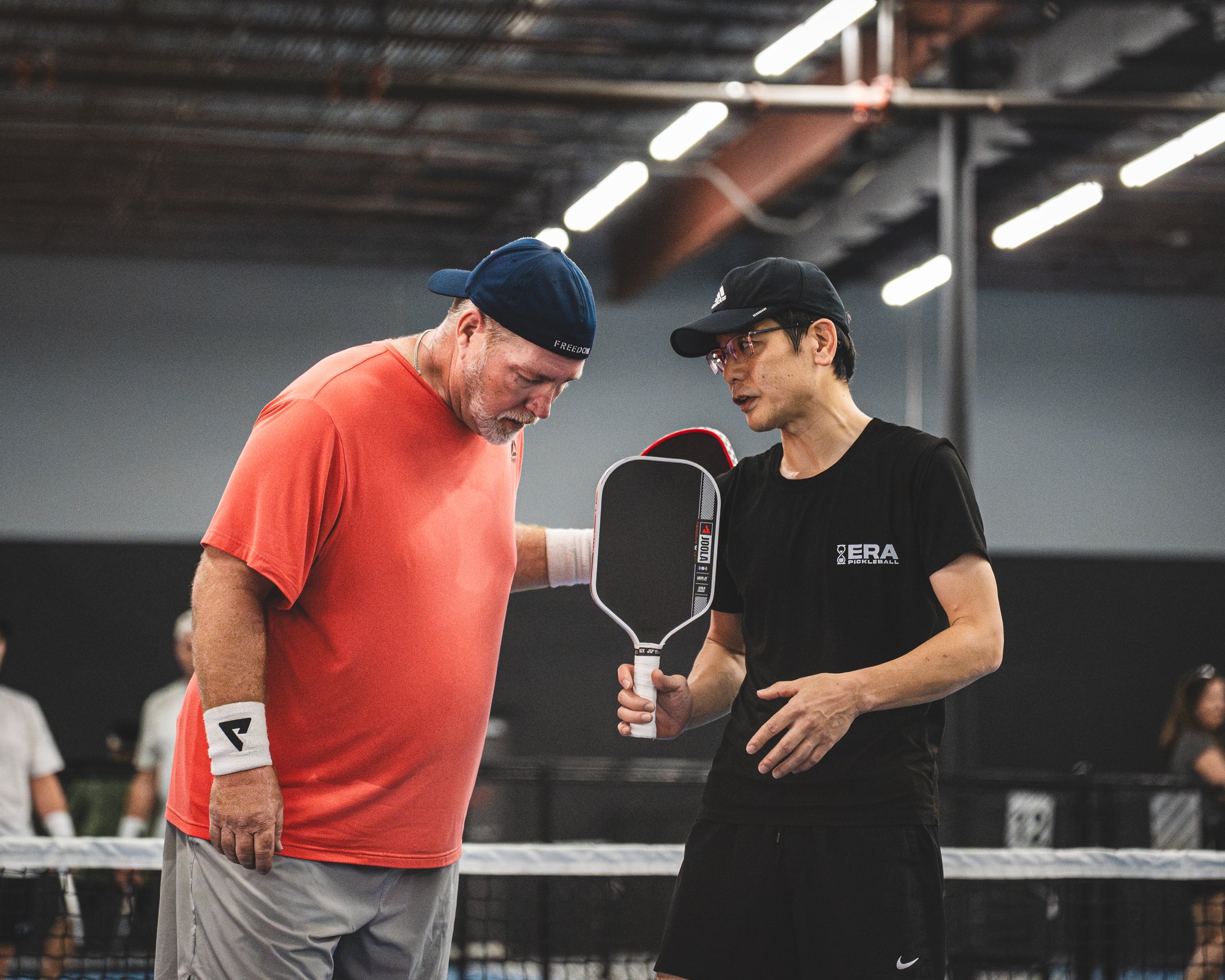
- Reliable court quality that stays consistent across sessions
- Flexible scheduling with predictable access for the season
- On-site staff who respond quickly to equipment needs or layout adjustments
- Sufficient space for drills that require movement across the court and near-net play
- A supportive environment for coaching and feedback, including room for quick video or chart-based reviews
How to maximize a rental block
- Start with a clear objective for the session and a simple progression plan
- Design drills that emphasize decision making under pressure, not just repetition
- Assign a dedicated ball feeder and a facilitator to track outcomes and adjust on the fly
- Build in structured but brief feedback moments to reinforce learning
- Close with a quick recap and a tangible takeaway for the next session
When a season closes and teams reflect on the work done on Era Pickleball courts, the conversations often circle back to a handful of themes: consistency, clarity, and continuity. Consistency comes from the dependable environment—the quality of the court, the predictability of the schedule, and the steady presence of a coaching staff that knows how to press a team toward specific targets. Clarity is the practice design itself. It’s not enough to run drills; the drills must align with the team’s short-term and long-term goals, and players need to understand how each activity feeds the broader tactical plan. Continuity is built through the rhythm of sessions, the recurring routines after each block, and the shared language that players develop when they hear a familiar cue and respond with a confident return.
The Era Pickleball court rental experience also intersects with the realities of indoor pickleball courts a program steadily growing. If you’re in a phase where your roster is expanding, you’ll appreciate the capacity to rent multiple courts for a single session, allowing older players to practice alongside newer teammates without stepping on each other’s toes. If you’re in a focused, results-driven period where the emphasis is on short, sharp drills that mirror match tempo, the space supports that intensity without drifting into chaos. In other words, the facility accommodates growth without forcing teams into a rigid calendar.
For teams seeking philosophy as much as practice, the Era Pickleball approach can feel like a useful alignment between coaching ideals and facility capability. Coaches who value deliberate technique, fast decision making, and controlled aggression often find the environment conducive to implementing a modern training framework. The courts are not a limit; they are a stage on which your practice philosophy can be enacted with fewer mechanical compromises than you’d encounter in more casual spaces. The rental model, when treated as a support system rather than a ticket to casual play, becomes a catalyst for a team’s progress.
The human element remains central. The most successful teams are those that invest in the working relationship with the Era Pickleball team—communicating goals, sharing feedback about the block schedules, and coordinating around tournaments and travel. This cooperation yields practical benefits. Scheduling becomes smoother, adjustments to the court layout happen with minimal friction, and the staff’s familiarity with a team’s style allows for subtle accommodations that speed up learning. In a sport where precision is everything, small improvements in the practice environment compound quickly into meaningful gains on the court.
If you’re guiding a program that might benefit from this approach, a few concrete steps can help you translate the rental into tangible outcomes. First, map your season with a few anchor blocks: your preseason build, your midseason consolidation, and your late-season refinement. Each block should have a specific focus that ties into the team’s game plan. Second, build a simple playbook of drills that you can run in a rental space without needing a full gym or video room. Clean, repeatable drills are enormously valuable when you’re working with a rotating roster or a coaching staff juggling multiple teams. Third, establish a short feedback loop after each block. A 5 to 10 minute debrief driven by the players’ observations as well as the coaches’ notes helps lock in improvements and makes the next session feel purposeful rather than routine.
In the end, Era Pickleball court rental offers a practical, disciplined option for teams that want to train seriously without committing to a larger facility footprint. It’s the difference between “we practice here because it’s convenient” and “we practice here because it supports our game plan.” The court surface is reliable, the space is adaptable, and the people who run the place treat practice as a serious endeavor rather than a casual pastime. For teams that have grown tired of hunting for suitable facilities or chasing court time in a crowded calendar, the era of predictable, high-quality practice space arrives with this rental model.
If you’re new to Era Pickleball and wondering how to start the conversation with your coaching staff or athletic director, a pragmatic approach helps. Begin with your team’s most immediate needs: the number of weekly practice hours, the desired court configuration, and whether you anticipate needing to accommodate larger groups later in the season. Then outline the kind of support you require from the facility: are you seeking a dedicated on-site staff member during each practice block, access to a whiteboard or space for chalk talks, or the possibility of integrating video review between sessions? Most facilities welcome this level of collaboration because it makes the rental more seamless and productive.
As your program grows more comfortable with the rhythm of rental practice, you’ll notice a refining effect on the team. Players begin to internalize the cadence of high-intensity ball exchanges, the discipline of a well-executed transition, and the confidence that comes from seeing a plan unfold in real time. The modest investment of time and planning pays dividends in the form of sharper decision making, quicker footwork, and a more cohesive on-court identity. All of this is possible at Era Pickleball, where the court rental is designed to be less a transactional arrangement and more a strategic enabler for teams committed to steady, purposeful growth.
The bottom line is straightforward. If your program needs a reliable place to practice with a level of professionalism that matches your ambitions, Era Pickleball court rental offers a compelling combination of quality, accessibility, and staff support. It’s not just about the number on the clock or the price tag; it’s about the environment that helps your players learn faster, compete smarter, and build the habits that carry over to every match they play. The experiences shared on Era Pickleball courts — the late drills that become early reads, the nervous energy that becomes quiet focus, the quiet confidence after a session that lands cleanly — all of these elements converge to make these rentals more than mere space. They become a critical ingredient in a team’s ongoing pursuit of excellence.
If you’re planning ahead, consider making your next block on Era Pickleball a test case. Bring a plan, bring a few metrics to measure progress, and go in with the expectation that practice is a craft as much as a routine. The courts will respond with a fair surface, consistent bounce, and a pace that matches the team’s energy. The rest will follow: improved exchanges, smarter shot selection, and, over time, the sense that the team has not just practiced but risen to a higher level of discipline and play.
In this spirit, the Era Pickleball court rental program offers a practical path for teams looking to lock in reliable practice momentum. It respects the time coaches invest, it honors players’ need for a supportive learning environment, and it delivers a space where technique and teamwork can flourish in equal measure. The result is less wandering through a labyrinth of booking changes and more time spent on the court, building the habits that win matches and, more importantly, build confidence that translates beyond the gym into real game situations. For teams ready to make that leap, the rental model at Era Pickleball can be a quiet powerhouse behind a team’s growing success.
Corrections
Spot something wrong? Send it to the desk and it gets fixed in the open.